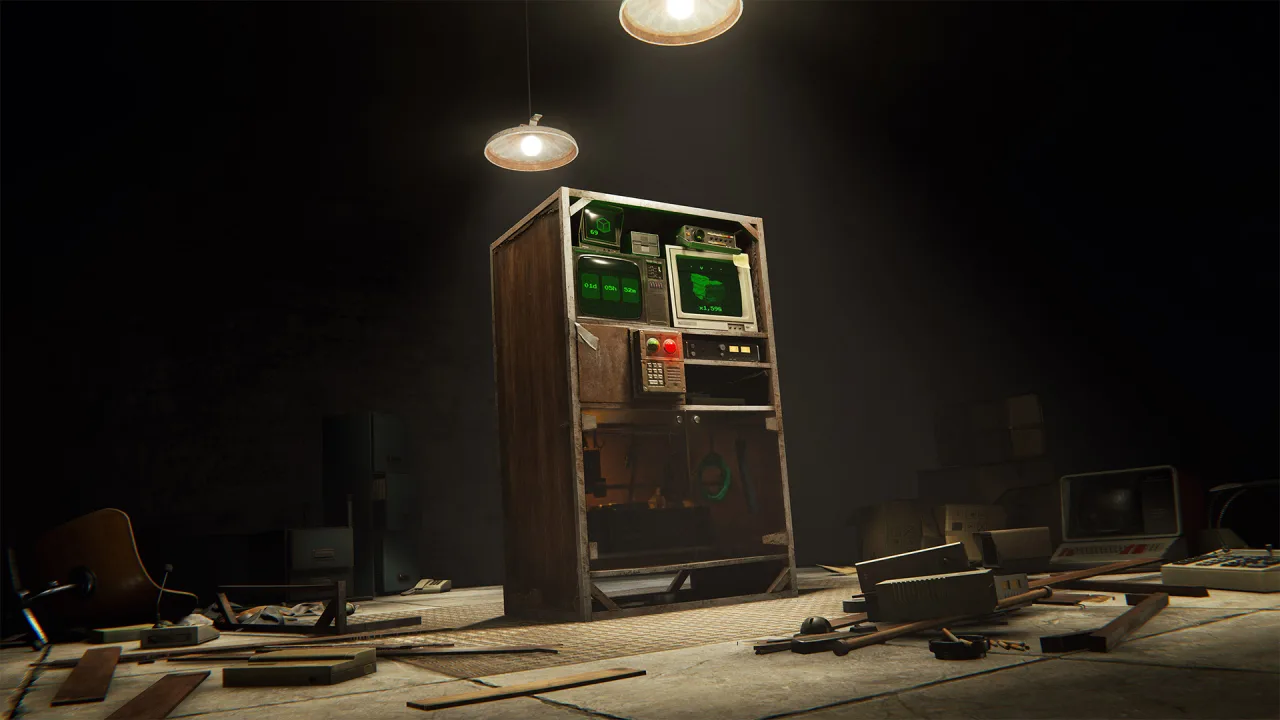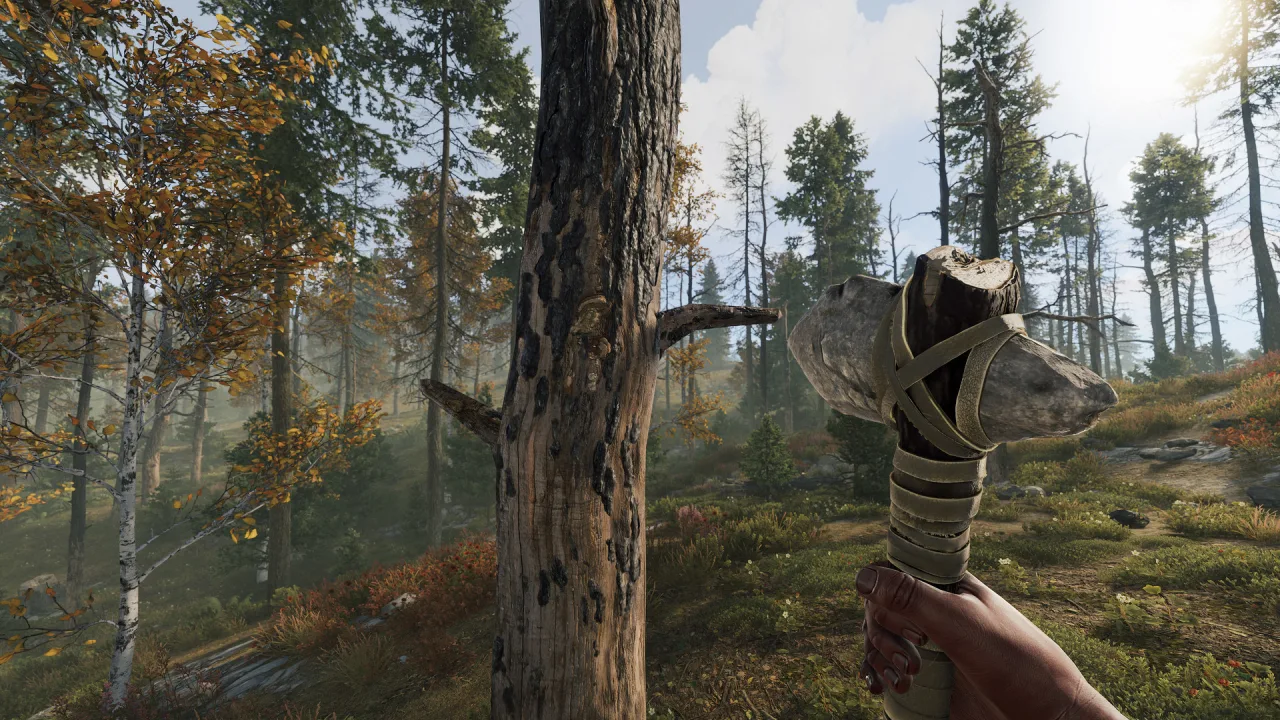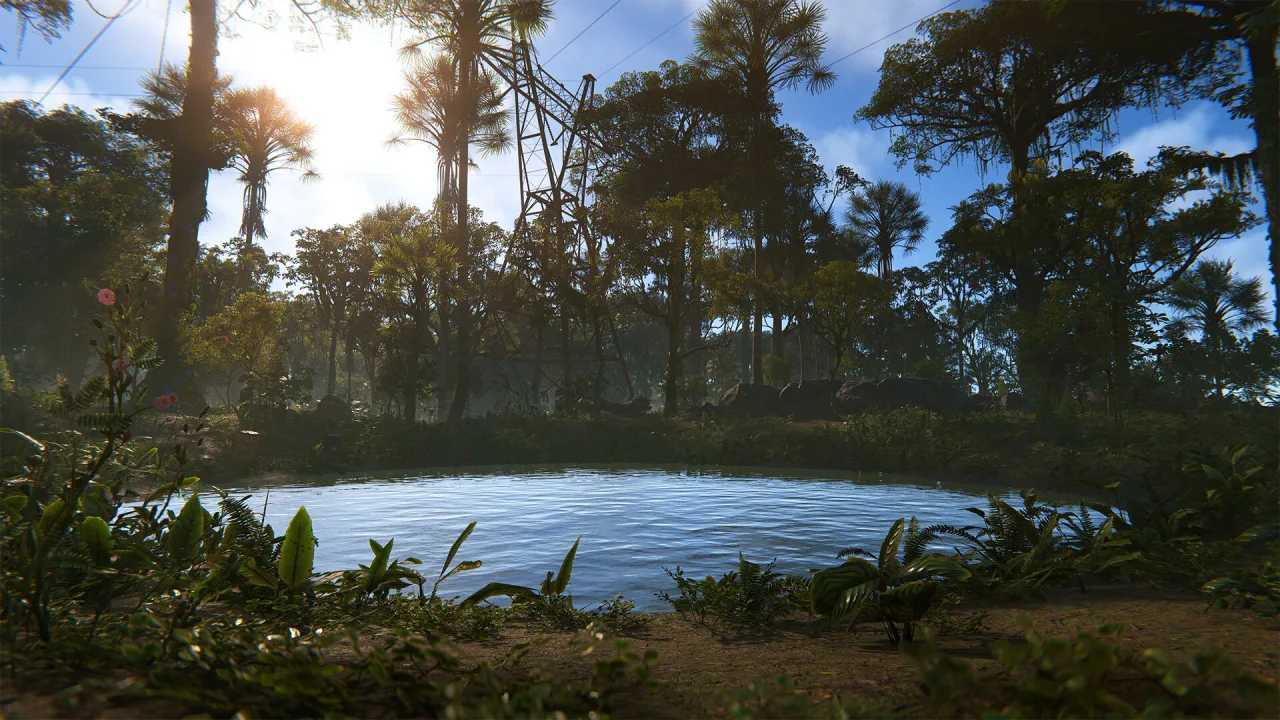
Two Rust listings can advertise ESP and show very different interfaces. One screenshot may emphasize player labels, another a map-like view, and a third object information. Counting matching buzzwords does not tell you whether the products are comparable.
Start with the information being shown
ESP is commonly used as a broad label for additional information displayed about the game. A meaningful description names the information and distinguishes it from ordinary interface elements. A player label, an object marker and a distance indicator are different claims even when one seller groups them under a single heading.
Reading a demonstration carefully means asking what is actually established by the visible example. A single still image cannot explain every supported object category, current version or limitation. More icons on a screenshot are not the same as a more complete specification.
Radar changes the presentation
A radar-style display organizes information in a map-like view. That format can be easier to describe than the underlying capability: a reader can see that it is a separate view, but still needs to know what the view contains and which product release is shown.
In a hypothetical Rust screenshot of a multi-level base, two markers might share a position on a flat map while representing different floors. The image alone does not establish whether the advertised view distinguishes elevation. Nor does it establish range or update rate. Those details need a specification or stated measurement; they are not implied by the word radar.
Wallhack claims need a clear definition
Wallhack usually refers to information or visibility despite an obstruction. It is sometimes used interchangeably with ESP, which is why feature counts based on the two labels can be misleading. Ask what the seller means rather than treating every term as a separate implemented capability.
Facepunch discussed server-side player culling in its 2026 overview. That context is a reason to avoid assuming that an old information-display demonstration remains representative. This guide does not describe ways around server or anti-cheat controls.
Use a comparison that can be answered
| Weak comparison | More useful question |
|---|---|
| Which has more ESP? | Which specific information does each named release display? |
| Is radar faster? | Is there an equivalent, documented measurement? |
| Does a screenshot prove wallhack? | Does the example actually demonstrate the claimed condition? |
| Is an external display safe? | What separate evidence supports compatibility and status claims? |
The purpose of these questions is to make a listing legible. They do not presume one software design is better, establish publisher permission or turn an observation into a guarantee.
What this means for NoName Rust
NoName Rust remains coming soon. Its editorial pages discuss software categories, while a future product page must state the actual supported features. A diagram or comparison in this guide does not add ESP, radar or wallhack to a confirmed NoName specification.
When a product is listed, compare that specification directly. Separate the information provided, its presentation and any performance claims. This gives you a much clearer basis for a purchase decision than treating several familiar abbreviations as a complete offer.