NoName Rust appears in the lineup as an upcoming product. That is a useful announcement, but it is not a checkout offer. If you arrived here looking for a Rust key, the most important detail is straightforward: the current NoName store does not yet have a purchasable Rust license.
What coming soon means today
The Rust section on the NoName homepage identifies the planned addition. A coming-soon label does not supply a release date, price, supported platform or gameplay feature list. Those details need their own product announcement.
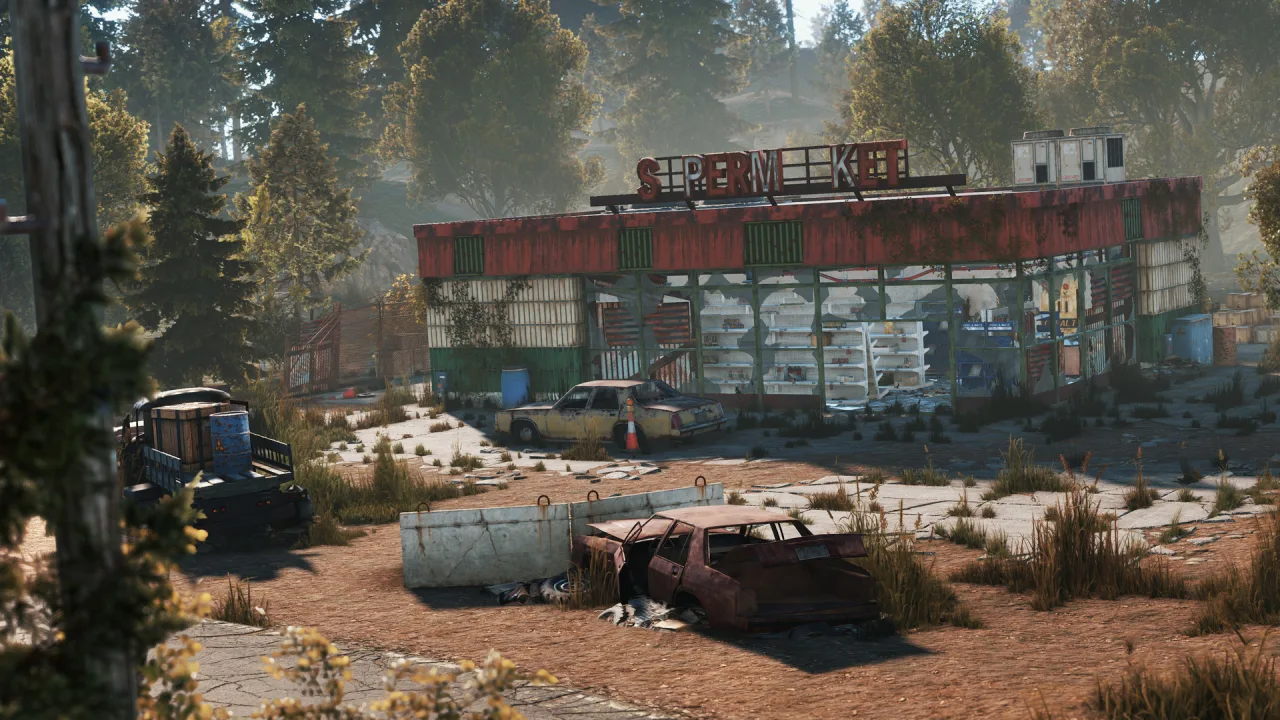
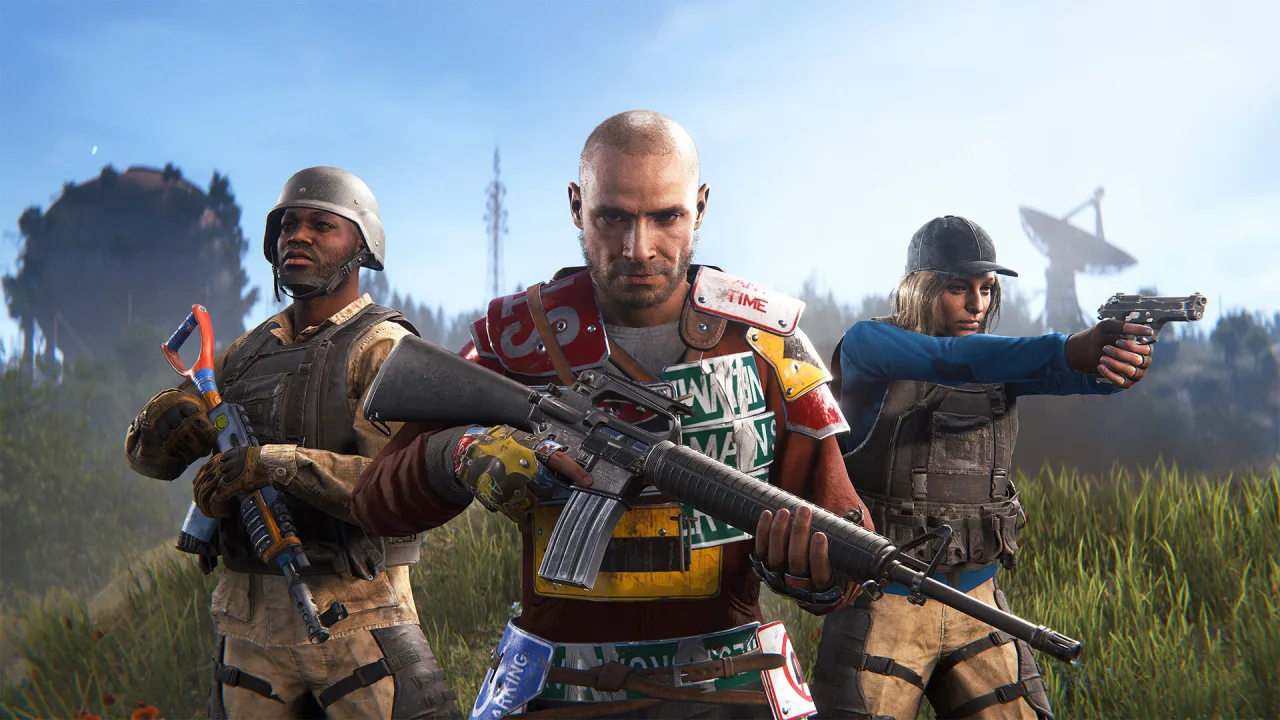
This distinction matters because a blog can discuss Rust software before the merchant offers it. Seeing the game’s artwork or an article about ESP is not evidence that a corresponding NoName feature is already available. Editorial coverage and commercial availability are different kinds of information.
Which details should accompany a release?
A useful launch page would identify the product, state which setup it supports, describe its features and list the available access periods. The purchase page should also make the delivery route clear. Those are concrete details a customer can review, rather than assumptions assembled from screenshots of another game.
| Detail | Current NoName Rust position |
|---|---|
| Availability | Coming soon. |
| Price and duration | No purchasable Rust plan listed. |
| Gameplay features | No confirmed feature specification published here. |
| Existing game-license coverage | Does not establish Rust access. |
A shared brand does not merge game licenses
NoName currently has game licenses for Fortnite, Apex Legends, Dead by Daylight, CS2, Deadlock and OGFN (Retrac). Their eligible paid purchases include the shared loader, but each purchase is still for the named product. A future addition to the brand does not automatically change what an existing license includes.
For example, an Apex Lifetime key identifies an Apex license without scheduled expiry. It should not be read as a lifetime pass to every future NoName game. Any future bundle or cross-game entitlement would need to be explicitly offered.
Rust changes deserve current product information
Facepunch’s 2026 overview describes continuing game and anti-cheat development. A future software release needs to be assessed against its own current specification, rather than an old demonstration or a different game’s product page.
The important point is not to guess a release timetable from that development cycle. A game update and a third-party launch are independent events. A guide published in 2026 does not establish that a NoName Rust release has happened.
Where to check next
Use the NoName homepage and official store for an actual product announcement and offer. If a Rust listing appears, review its named features, platform requirements, access duration and price before purchasing. A direct product page is a better reference than a reposted message claiming early access.
Until then, this Rust software library explains terminology and comparison questions. It does not offer a hidden Rust checkout, a release-date promise or a feature guarantee. That keeps the upcoming product’s status clear while the rest of the NoName lineup remains available.