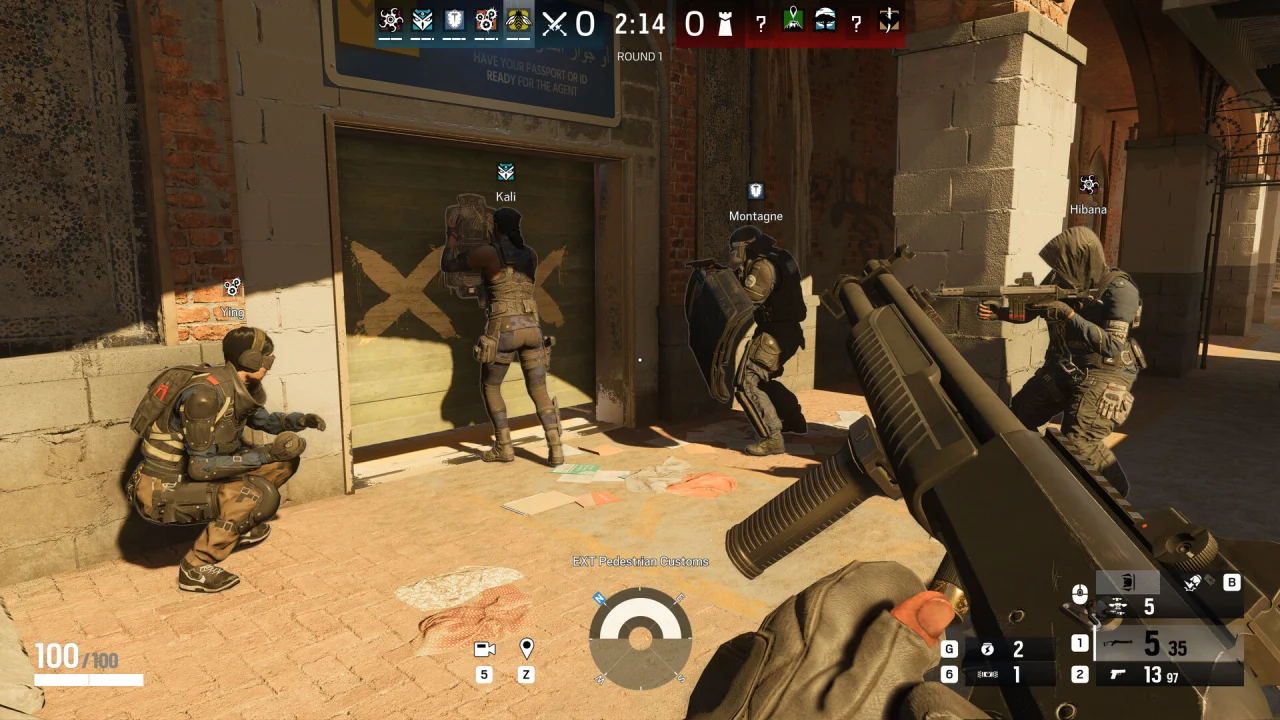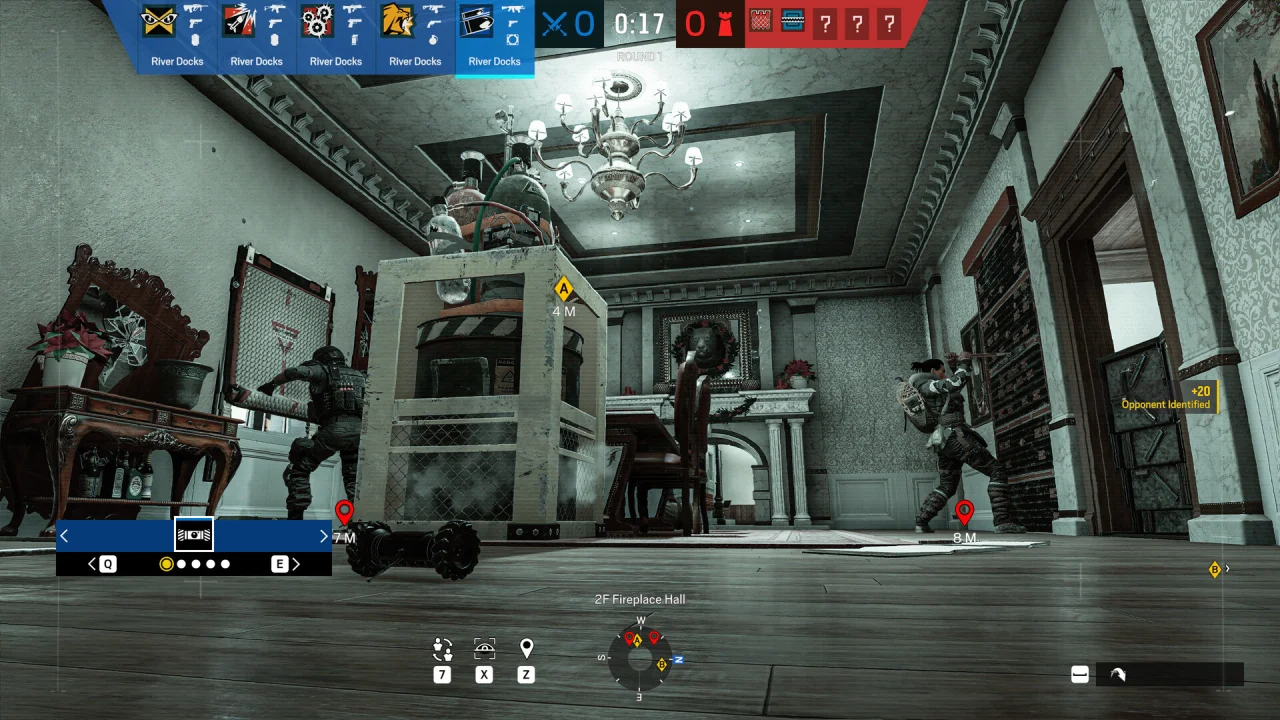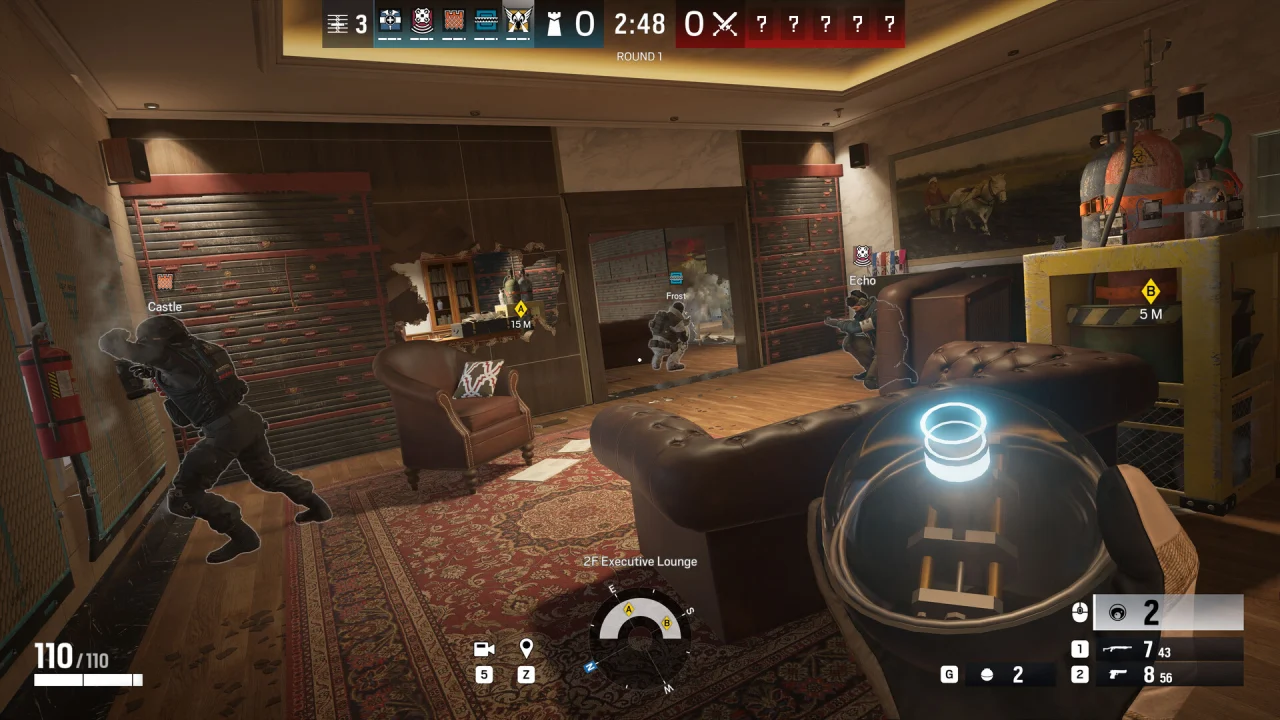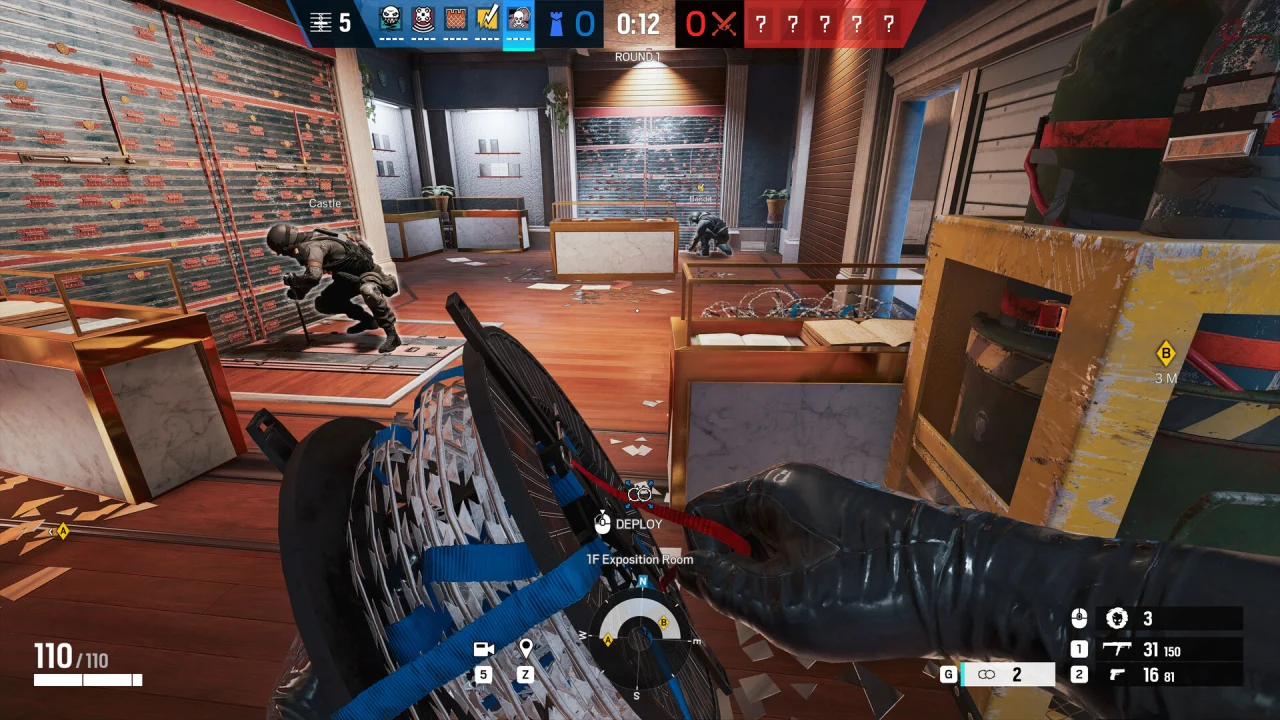
Someone searching for Siege aim assist may want a comfortable controller setup, an explanation of a gameplay clip or software that claims to automate targeting. Those are three different questions. A useful comparison must first establish which one a page answers, rather than assuming that the same aiming mechanics apply across every Rainbow Six game.
Documented controls are the starting point
Ubisoft’s current Rainbow Six Siege Accessibility Spotlight documents sensitivity, dead zones, acceleration, separate aiming-down-sights settings and input remapping. Those are specific control options; the list should not be expanded into an undocumented promise of automatic target tracking.
A sensitivity setting changes how input translates into movement. A dead-zone setting concerns when an input is recognized. Remapping changes which action a control performs. None of those labels, by itself, describes a system that identifies an opponent and decides where to aim. A product description that uses them interchangeably obscures the difference between control feel and target-based decisions.
Keep the game and mode attached to the claim
Ubisoft’s Rainbow Six Extraction accessibility documentation describes aim assist for that separate game. It is not evidence that the same feature exists in Siege’s competitive playlists.
This matters because search results, screenshots and old discussions often shorten game names. Rainbow Six, Siege, Extraction and Mobile are not interchangeable product identifiers. A statement about one title or a historical training mode cannot establish a current PvP mechanic in another. This article does not assume a universal Siege aim-assist setting from those unrelated examples.
The practical reading rule is simple: keep the exact title, mode and version beside the feature being described. If those details disappear between a source and a seller’s headline, the headline is broader than the supporting evidence. That is a scope problem, even when the original statement was accurate.
What an aimbot claim adds
An aimbot label generally claims external target-based aiming automation. The important functions are recognizing a candidate, choosing it and influencing aim. A system may claim some or all of those functions, and the word AI does not tell the reader which ones are actually present.
| Description | Central function | Separate from |
|---|---|---|
| Controller sensitivity | Adjusting response to player input | Selecting an opponent |
| Input remapping | Assigning an action to a control | Generating a sequence automatically |
| Target recognition | Identifying a candidate in available information | Moving the crosshair |
| Aim automation | Making or executing aiming decisions | A native comfort setting |
Why smooth footage does not settle the question
A crosshair moving smoothly toward a target does not reveal who made the decision. Manual input can be smooth, and an automated result can be presented smoothly. The visual style is therefore weak evidence of the underlying function. A useful demonstration identifies what is active rather than asking viewers to infer architecture from a highlight.
Consider a clip showing only successful engagements. It can illustrate the seller’s intended outcome, but it cannot establish average accuracy, recognition errors or performance across different situations. Those measurements require a defined method. The absence of that method should leave the performance claim open, not invite the reader to invent a benchmark.
How this applies to NoName
NoName has no confirmed Rainbow Six Siege plan in the current product catalog, and no verified Siege aiming feature is described here. The brand’s documented workflow for its listed games concerns delivery and access: payment confirmation precedes key delivery, and the buyer returns to My purchases for the key.
That account workflow does not tell us whether a program uses target recognition, controller input translation or any particular aiming technique. Nor does a shared loader establish support for a game absent from the catalog. If you are looking for a purchase option, the NoName Siege availability guide answers that question directly.
For input hardware terminology, see Cronus, XIM and controller devices. For the distinct claim of weapon-movement compensation, read the recoil-script glossary.