Aiming terminology becomes confusing when a product page uses aim assist, tracking, aimbot and AI as interchangeable selling points. They describe different things. The most useful distinction is who supplies the behaviour, what information it uses and whether the player or an external system makes the aiming decision. That distinction remains useful even when the movement on screen looks similar.
Native assistance belongs to a particular game build
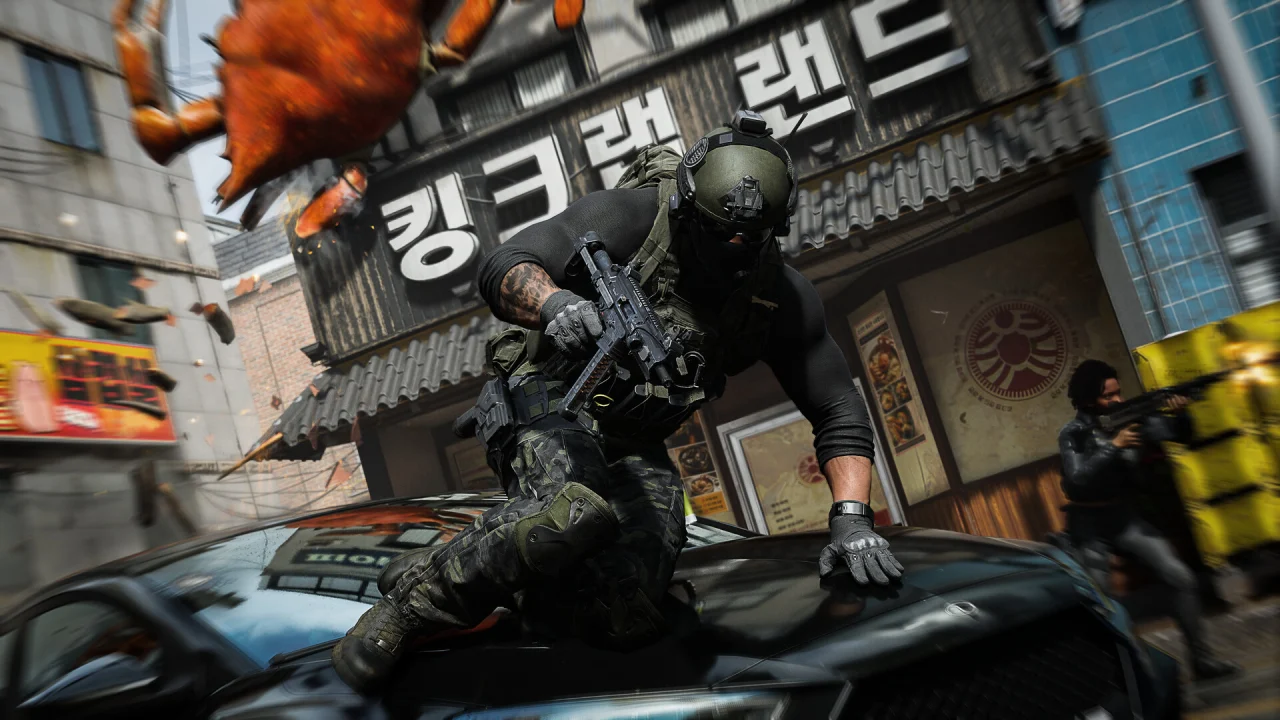
Call of Duty documents controller aim-assist changes in its Warzone Season 01 patch notes: aim assist, including adjustments to strength and activation conditions. This is publisher-defined behaviour, and its details can change between releases.
That matters when somebody compares footage from different titles or seasons. A clip labelled controller gameplay does not give you the input configuration, game build or relevant mode. Even an honest side-by-side comparison can become misleading when the software versions differ. The name of the franchise is too broad to identify one permanent aiming model.
An aimbot describes a decision, not a visual style
In software discussions, aimbot generally refers to external automation that selects or follows a target and influences aiming. Abrupt snapping is one possible appearance, but visible smoothness is not a reliable definition. A system can make automated decisions while displaying gradual movement; a human can make a sharp correction. Judging only by the animation confuses appearance with function.
Separate target identification, target selection and movement control. Identification asks what the software considers a target. Selection asks which candidate it prioritizes. Control asks whether it moves aim, suggests a correction or simply displays information. A listing that answers only one of those questions has not described the complete feature it is selling.
| Term in a listing | Useful interpretation | Unanswered question |
|---|---|---|
| Aim assist | A claim that aiming becomes easier | Native game behaviour or an external change? |
| Aimbot | A claim of target-based automation | Which decisions and movements are automated? |
| AI tracking | A claim about recognition or following | What does the system observe and output? |
| Recoil control | A claim about weapon movement | Does it identify targets at all? |
A practical example: the same clip, different claims
Suppose a demonstration shows a crosshair remaining near a moving opponent. That footage might illustrate manual tracking, assistance built into the game, external automation or a mixture. Without identifying the active features, the viewer cannot attribute the result to the advertised product. The right question is what the demonstration establishes, rather than whether it looks impressive.
Similarly, a comparison showing easier recoil control does not establish better target selection. A weapon staying steady while the crosshair points at the wrong place remains a different outcome from identifying and following an opponent. Read those features separately, especially when a bundle uses one successful demonstration to imply that every component performs equally well.
Publisher terminology and seller terminology have different jobs
Activision’s Call of Duty Security and Enforcement Policy addresses unauthorized automation and unfair information access. Calling an external feature assistance does not establish that it belongs to the game’s permitted native settings.
A publisher describes the rules and mechanics of its game. A seller describes a product. Neither an appealing name nor a familiar controller icon bridges the gap between those roles. A precise listing should make the distinction easy to understand without asking the reader to infer approval from the vocabulary.
Reading this topic on NoName
NoName’s current product catalog has no confirmed Call of Duty product. Its documented key-delivery and shared-loader workflow for the listed games is not evidence that NoName provides an aimbot, AI tracking or controller enhancement for COD. Search results leading to this article should not be mistaken for a purchasable plan.
If a future product page names an aiming feature, evaluate the actual feature description and supported game before considering its duration. A 24-hour, weekly or lifetime label describes access, not how aiming works. For the separate question of weapon movement, see recoil scripts versus aim automation; for hardware terminology, see Cronus Zen versus AI-labelled software.